Your supplier list lives in Excel. Contracts are buried in PDFs and between your CRM and ERP exports you
are
in your fourth VLOOKUP for an answer.
Lontiq connects all of it automatically into a single knowledge graph you can actually use as
structured, traceable AI memory.
Memgraph
Google Cloud
Most companies don't lack data. They drown in it. The answer to "Which customers haven't ordered in 90 days?" exists — split across a CRM export, dozens of emails, two Excel sheets, and a PDF report nobody remembers saving.
Teams spend hours merging, cross-referencing, and second-guessing. And when someone asks the same question next month, the whole process starts again.
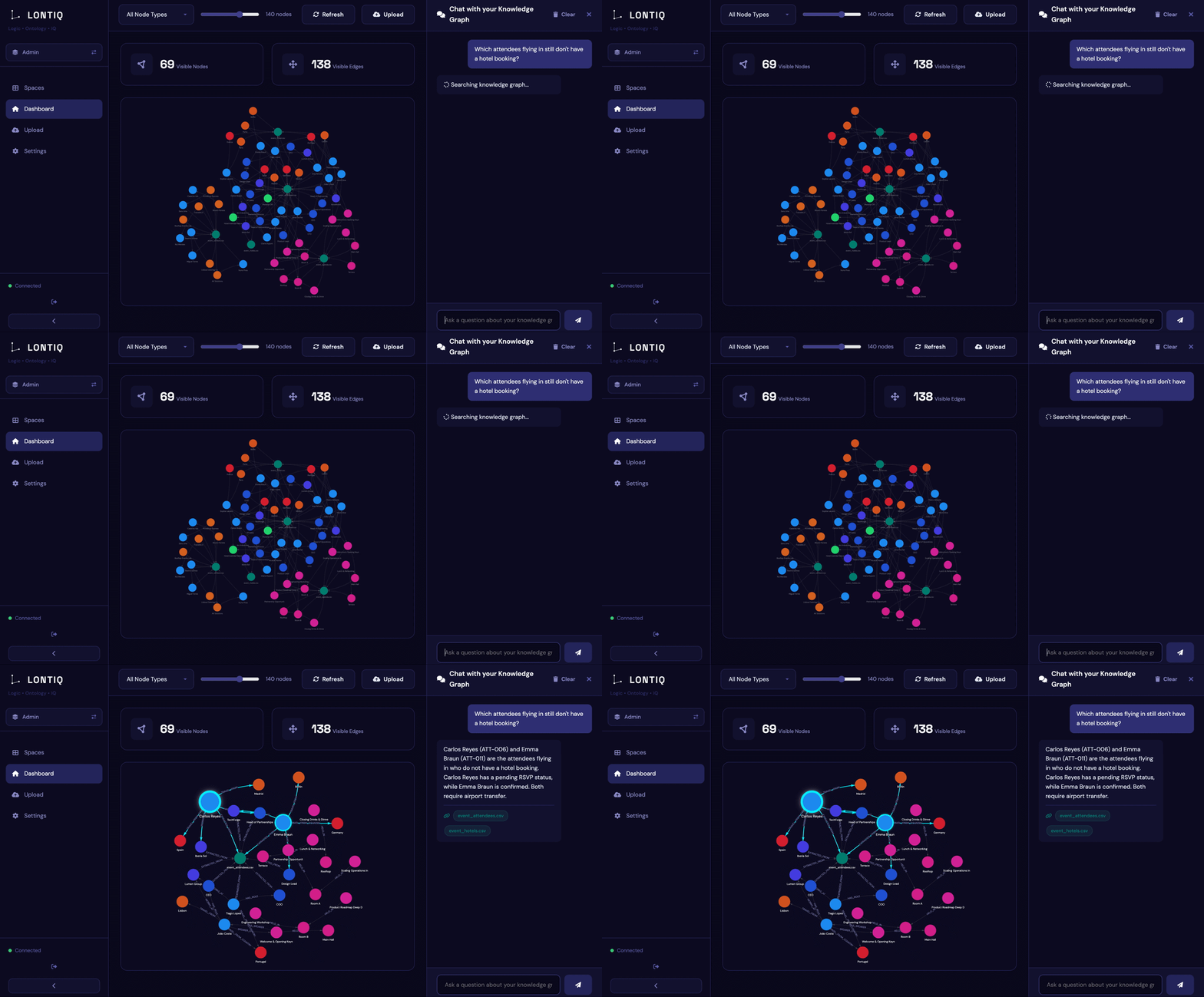
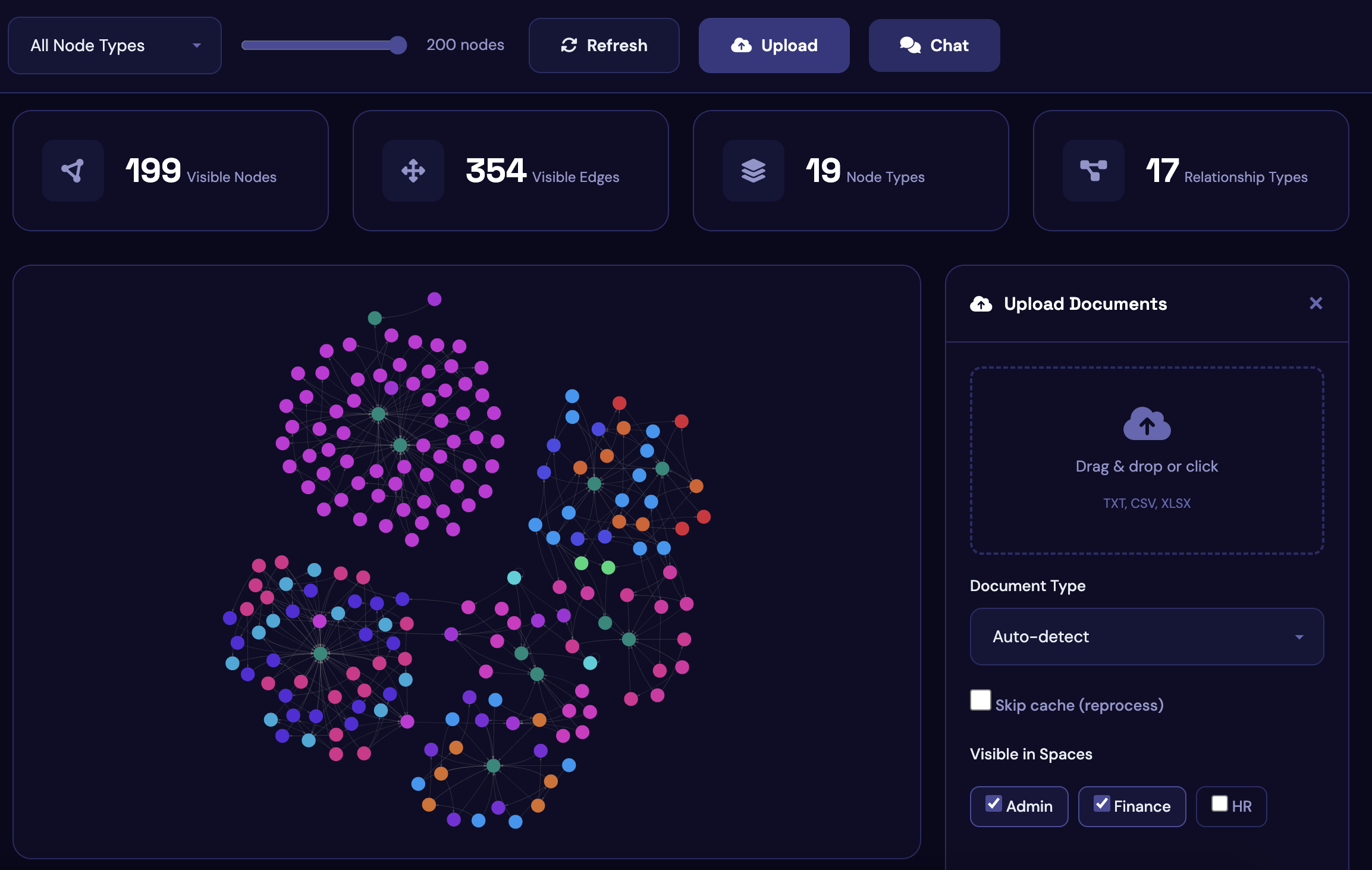
Lontiq reads your files — Excel, CSV, PDF, whatever you've got — and builds a knowledge graph: a structured web of relationships between your suppliers, projects, clients, products, and teams.
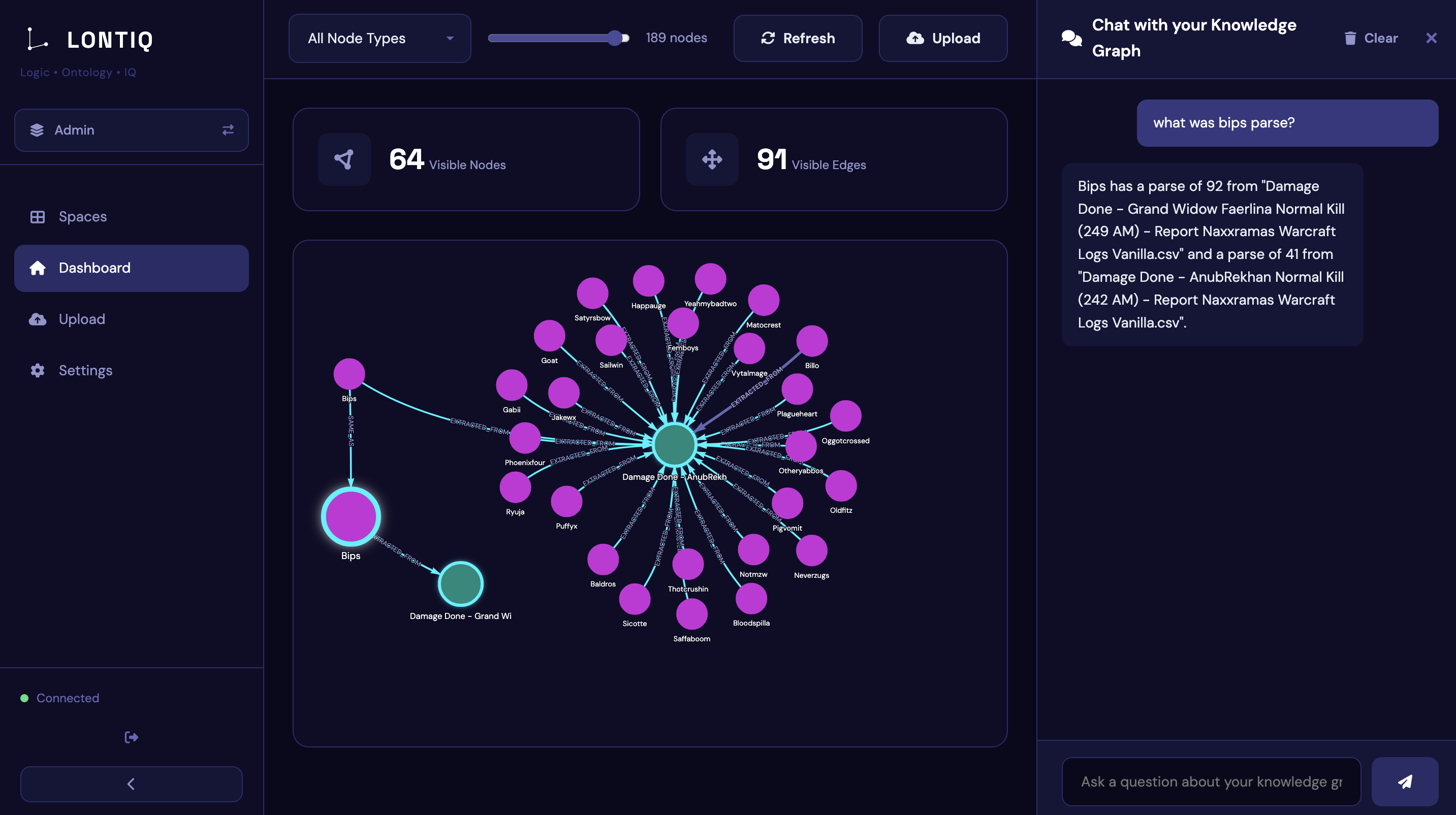
Every node is a fact from your data. Every edge is a real relationship. Nothing is hallucinated. When you ask a question, you get an answer you can trace back to the exact cell, row, or page it came from.
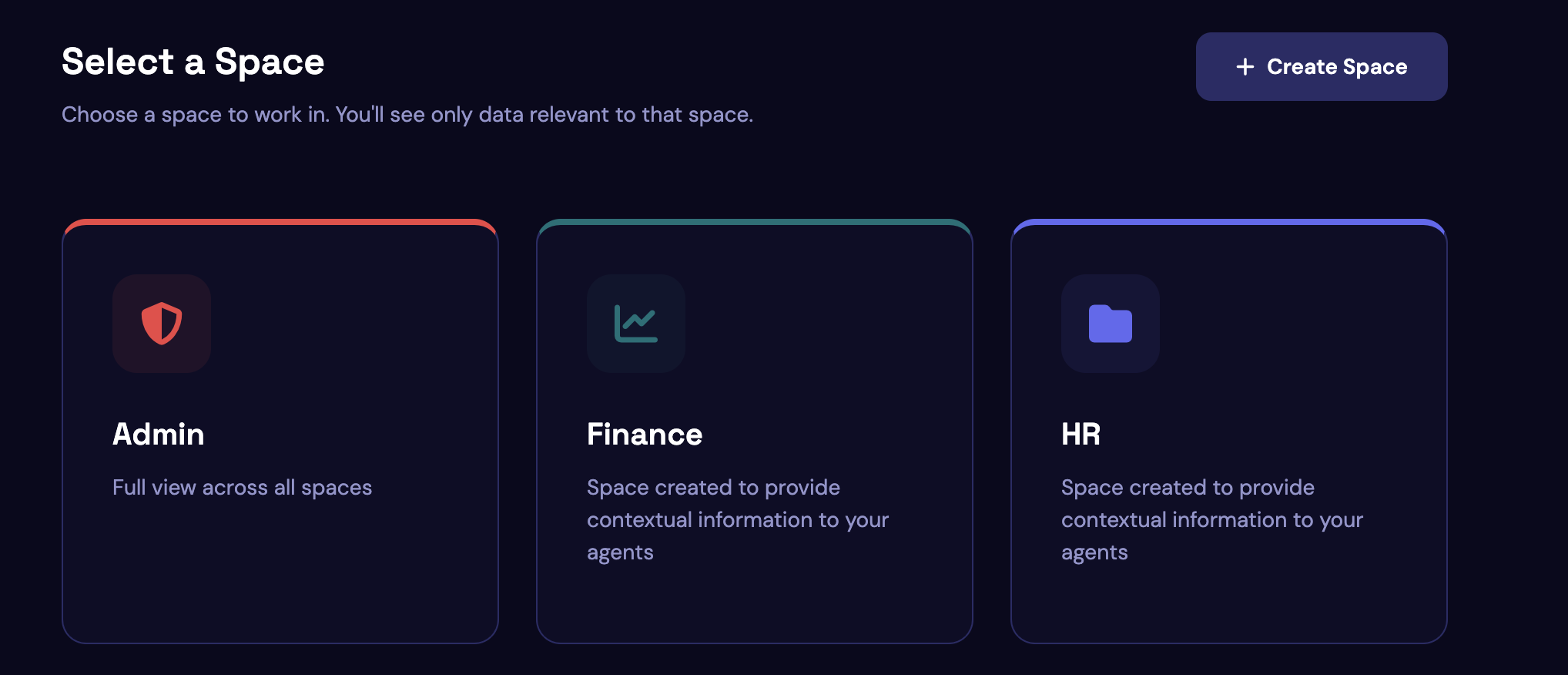
Create a Space for your team to work together and to provide the correct context to the AI
Excel, CSV, PDF and the actual files your team already uses. It reads your files and builds a knowledge graph automatically.
Ask in plain language or send the context via API so every answer links back to the source and provides you the path from question to the answer.
Use Lontiq to create Context Spaces - structured, relationship-aware knowledge layers that your existing AI solutions can consume directly via API. Connect your AI agents, power your copilots, and plug into your MCP server - all backed by context that updates as your data evolves.
AI chatbots generate plausible-sounding answers. Lontiq returns facts from your data with a traceable path back to the source and the logic for generating the answer. If an answer says "Supplier X is 14 days late on PO-0847," you can see the path from question to answer.
Search tools find documents. Lontiq understands how entities in your data relate to each other — and can answer questions that span multiple files.
The knowledge graph is built deterministically from your data. There's no generative step making things up. If it's not in your files, it won't appear in an answer.
I kept watching teams lose entire afternoons reconciling Excel files, PDFs, and system exports — just to answer questions their own data could already answer.
The problem isn't a lack of data. It's that critical information lives across disconnected files that were never designed to work together. Even when the answer exists, it's buried behind hours of manual lookup.
Lontiq removes that friction. It structures your existing files into a context space that allows you to get answers grounded in your data and fully traceable both to the source and the logic that generated the answer.
If this sounds like a problem you deal with, I'd genuinely love to hear how you handle it today.
We'll walk you through a live demo using files like yours — not a canned presentation.